EVs and Charging in Plumas County
Electric vehicles and plug-in hybrids can save money in the long run compared to gasoline and diesel. This is especially true for people in rural areas who tend to drive longer distances for work, school, shopping, healthcare, and entertainment.
Learn about the cost saving benefits of EVs here.
Learn about the cost saving benefits of EVs here.
The Benefits of EVs
|
Lower Fuel Cost
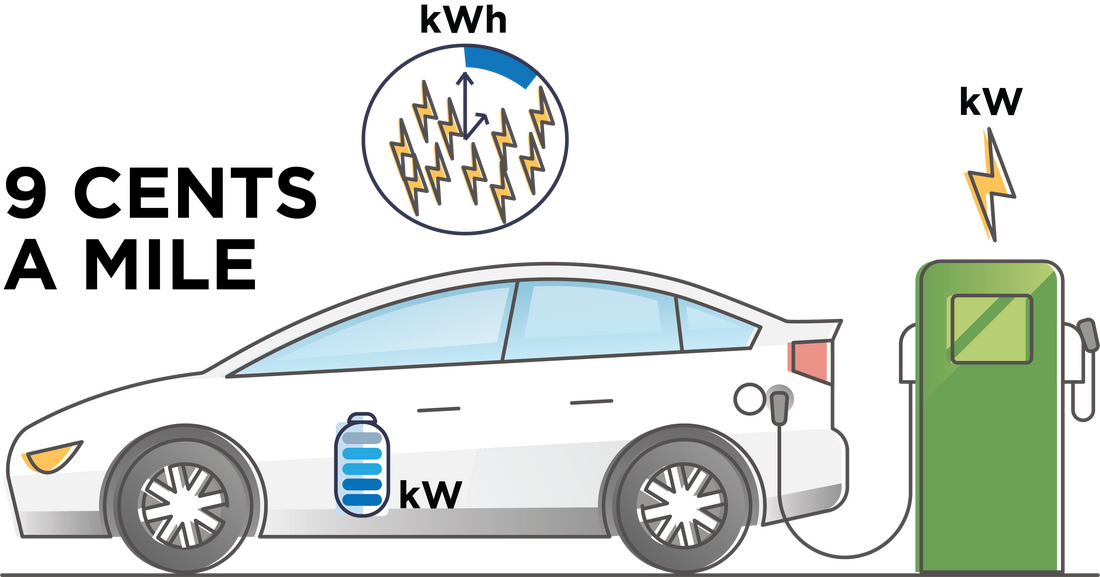
Use Charge EVC’s Cost Calculator to compare a year’s worth of gas to electricity. Even at peak electric rates, you’ll save money.
|

|
Less Routine Maintenance
EVs do not have moving parts or fluids. They don’t need tune-ups, oil changes, or smog testing. You will need to replace air filters, rotate the tires, and maintain the brakes.
|

|
Skip the Gas Station
Most people charge their EVs while they are doing something else—sleeping, working, in class, at an appointment, shopping, or playing. Read more about charging your EV.
|

|
Better for Budgeting
The California Energy Commission reports average retail price of gasoline monthly, but the price changes daily as the trend chart shows. Electricity rates increase, but increases are planned months—and sometimes years—in advance. It’s much easier to know what you will spend on fuel every month when the price of fuel is stable.
|
|
Cleaner Air
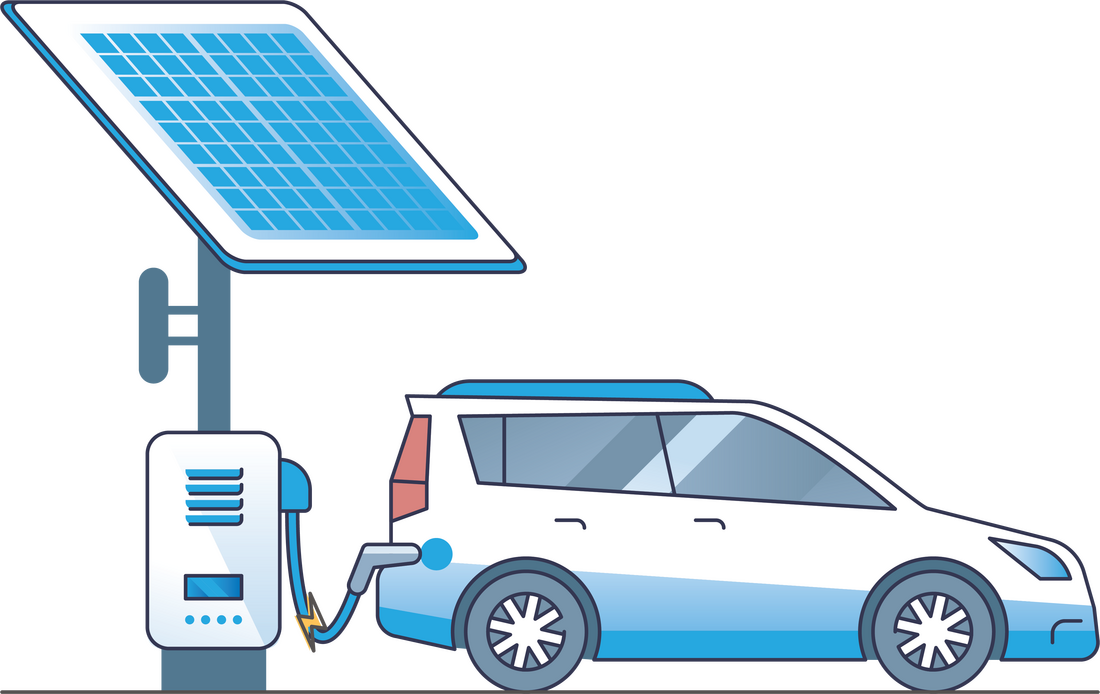
Gasoline exhaust is a mixture of many harmful chemicals, creates fine particulate matter, and emits greenhouse gases. Read more about exhaust and ways to protect yourself here. EVs have no tailpipe emissions.
|

|
Fun to Drive
EVs have instant torque for quick acceleration, smooth, one-speed transmission, and a low center of gravity that hugs the road. Without an engine, EVs have near-silent operation that creates a more focused and relaxed driving environment that some people describe as a "magic carpet" feeling. Learn more about the EV driving experience.
|
EV Truth or Myth?
|
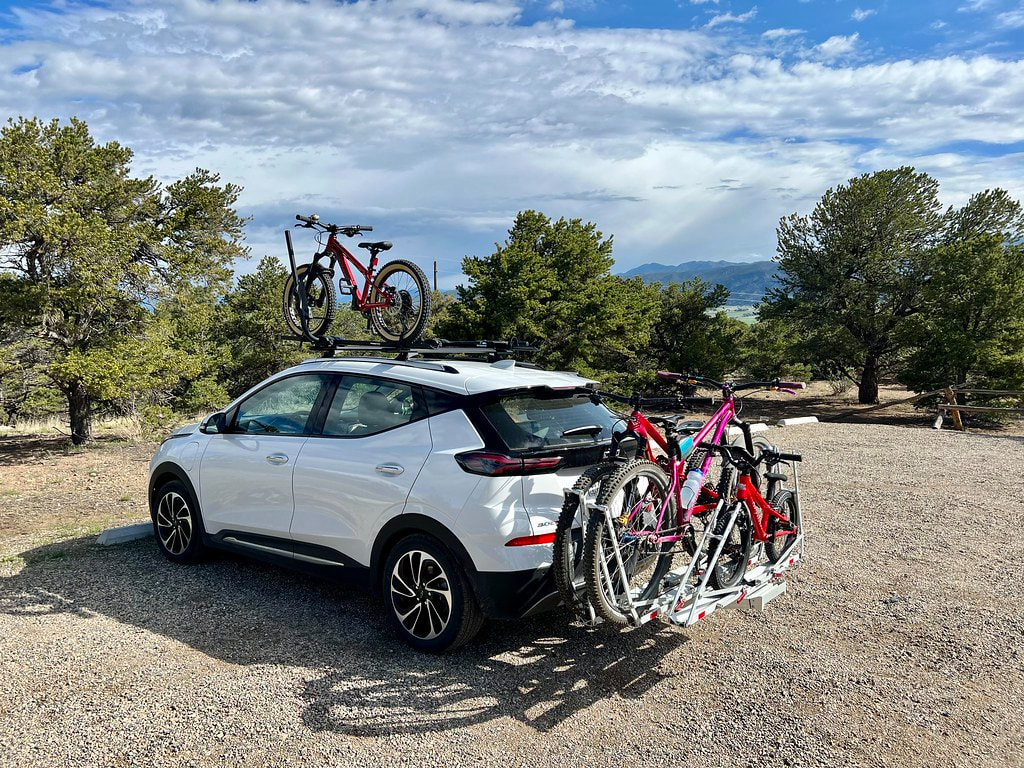
Myth. The extra weight from EV batteries placed along the underside of the vehicle helps keep EVs more stable on the road. Most EVs are front-wheel drive and have advanced traction control systems. If you often drive on back roads or in deep snow, look for an EV with higher ground clearance or consider installing a lift kit. And put winter tires on the EV just like you do on a regular car. Read this TopSpeed review of Electric SUVs for off-roading.
|
|
EVs are just too limited in range
Myth for most people. The driving range of EVs spans from more than 500 miles for some luxury EVs to around 100 miles for EV “city cars.” Most EV cars, SUVs, vans, and light pick-up trucks have around 250-300 miles on a full battery. Batteries are the most expensive component of the vehicle and, therefore, a bigger battery means a more expensive car. This article by Michael Coates helps you figure out how much range you need and if an EV will meet your needs.
|

|
EVs are very expensive
Some truth. When EVs entered the market, they were aimed at luxury car buyers. As more people see the benefits of driving electric, automakers are introducing lower-cost models. In many cases, leasing an EV is comparable to leasing or buying a gas car—and sometimes less than the gas car. Learn more about leasing in this Nerdwallet article.
|

|
EVs are not workhorses
Myth. From pickup trucks that can tow 10,000 pounds to cargo vans to Class 8 trucks and tractors, EVs are available for many jobs. California’s HVIP incentive program has a comprehensive list of work vehicles and the incentives available from the state.
|
|
EVs lose range in the cold weather
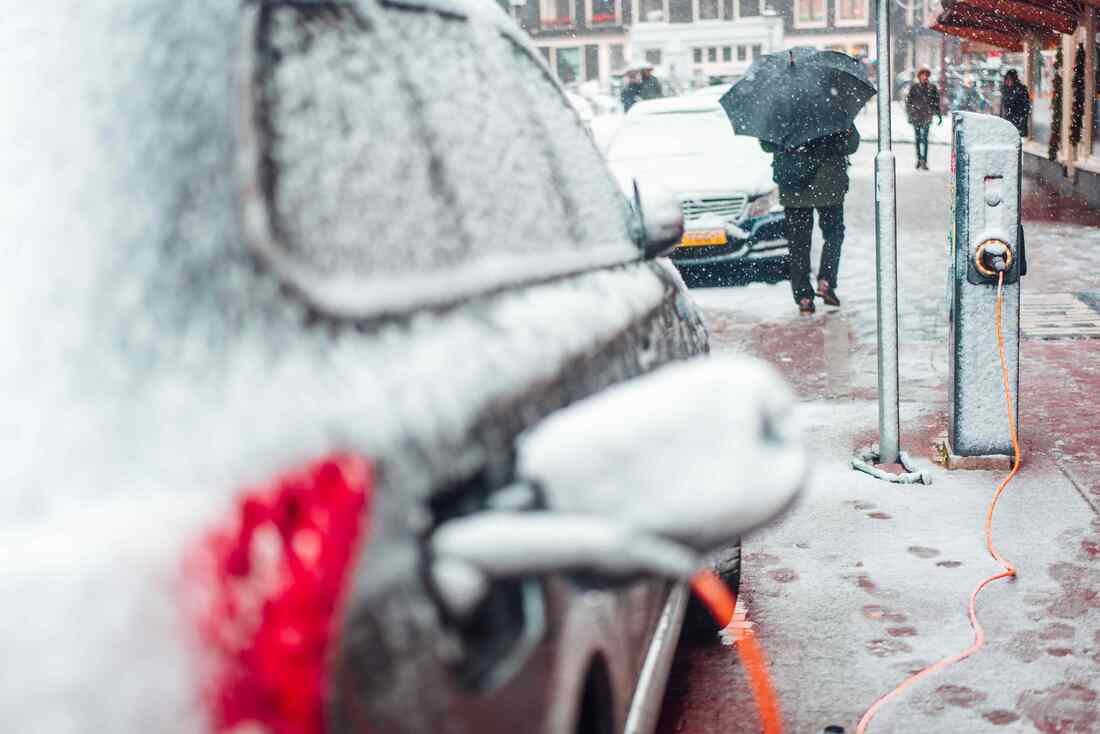
Truth—also true for gas cars. When it’s freezing outside, EVs need energy to maintain battery temperature and run cabin heating and the defroster. Many EVs have efficient heat pumps, and most drivers in cold climates “pre-condition” the car by turning on the heat and defroster while the car is still plugged in. Read this Consumer Reports article for more information.
|
Charging Stations Explained
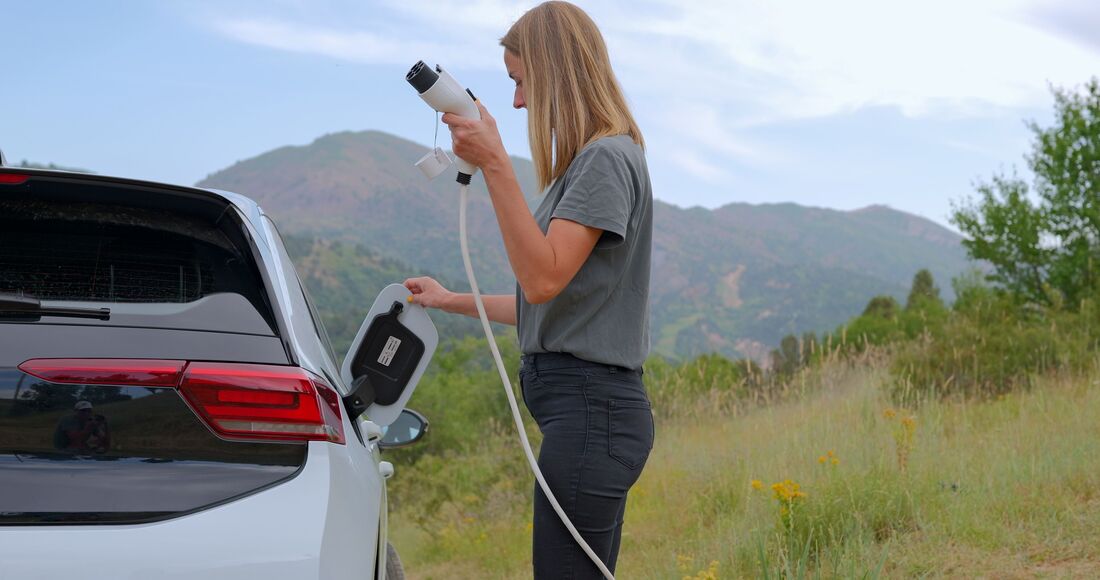
Every EV—from a motorcycle to a semitruck—can plug into a wall outlet using the cord that comes with the vehicle.
Charging has three levels that are categorized by speed. Most EVs use a standard connector that allows any EV to use any charging station. Tesla EVs have a unique connector and some other EVs can use the Tesla connector. US DOT has an overview of technical specifications here.
Charging has three levels that are categorized by speed. Most EVs use a standard connector that allows any EV to use any charging station. Tesla EVs have a unique connector and some other EVs can use the Tesla connector. US DOT has an overview of technical specifications here.

|
Home Charging
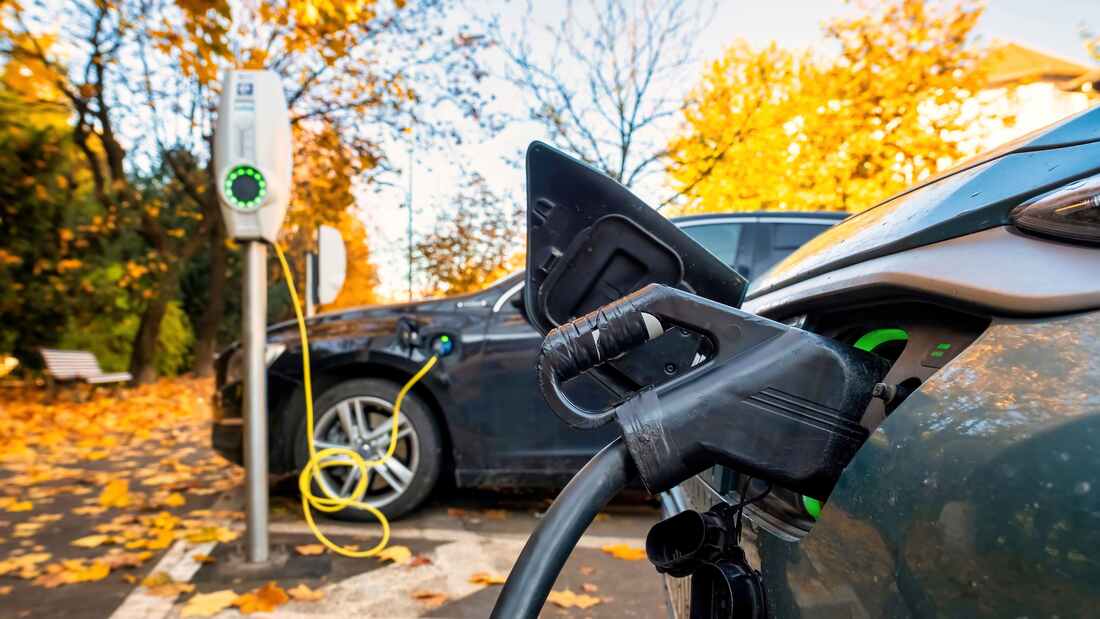
Most current EV drivers plug in at home using the wall outlet (Level 1 charging) or a charging station (Level 2). A Level 2 charging station is often referred to as an EVSE: electric vehicle service equipment.
Residential EVSEs are available from several manufacturers and are available from big box stores and online. EVSE cost ranges from about $500 to more than $1,000 depending on features like amperage, connectivity to home energy systems, and reporting. Level 2 EVSE must be on a dedicated circuit in your electric panel—the EVSE cannot share a breaker with lights, plugs, or other appliances—and require installation by a professional electrician. Installation costs vary based on several factors. See PG&E’s Choosing a Charging Station guide here. Renters and people who live in planned communities can install charging stations. California’s Right-to-Charge laws ensures that individuals who live in multi-unit buildings or planned communities can install an EV charging station for personal use. The individual must cover all the costs and can take the EVSE with them if they move. |
|
Public and Workplace Charging
Most charging stations that are not at residences are commercial Level 2 or Direct Current Fast Chargers (DCFC) EVSEs. PlugShare has a map of charging stations across North America and provides details about each location and reviews from other EV drivers. The Trip Planner tool helps you plot charging station stops for a short or long trip based on the range of your EV.
Adding charging at a business or attraction can attract customers that already drive EVs, provide an extra service to clients, and employees reduce the cost of their commute. Businesses that have vehicles can also use commercial EVSE for fleet charging. Level 2 EVSEs are ideal in places where people stay at least two hours and as long as overnight. Drivers tend to leave their cars and do something else while charging. Level 2 EVSEs can be mounted on a wall or fence, or on a pedestal. EVSEs range from about $700 to more than $1,500 depending on features like amperage, connectivity, energy management, and number of connectors. Installation costs vary greatly depending on improvements needed to your electrical system and improvements to the parking lot, which include ADA accessibility. DCFCs are better suited to places where people stop for less than an hour. Drivers tend to run a quick errand or stay in the car while charging. DCFCs are a self-contained pedestal and need their own electrical cabinet. DCFCs range from about $15,000 to more than $200,000 depending on the power output, number of charging ports, and energy management features. Installation costs often include running additional power from the utility and site preparation and remediation. |
Resources for Plumas County Residents and Businesses
- Plumas County’s EV Charging Toolkit (PDF download)
- Plumas County Streamlined EVSE Permitting
- PG&E EV Planning and Incentives
- PSREC EV Planning and Incentives
- Liberty Utilities EV Planning and Incentives
- Vehicle Cost Calculator
- Incentives and Tax Credit Finder
- Find New and Used EVs